
Empowering Women Through Screening: The Tresna & CAPED Initiative
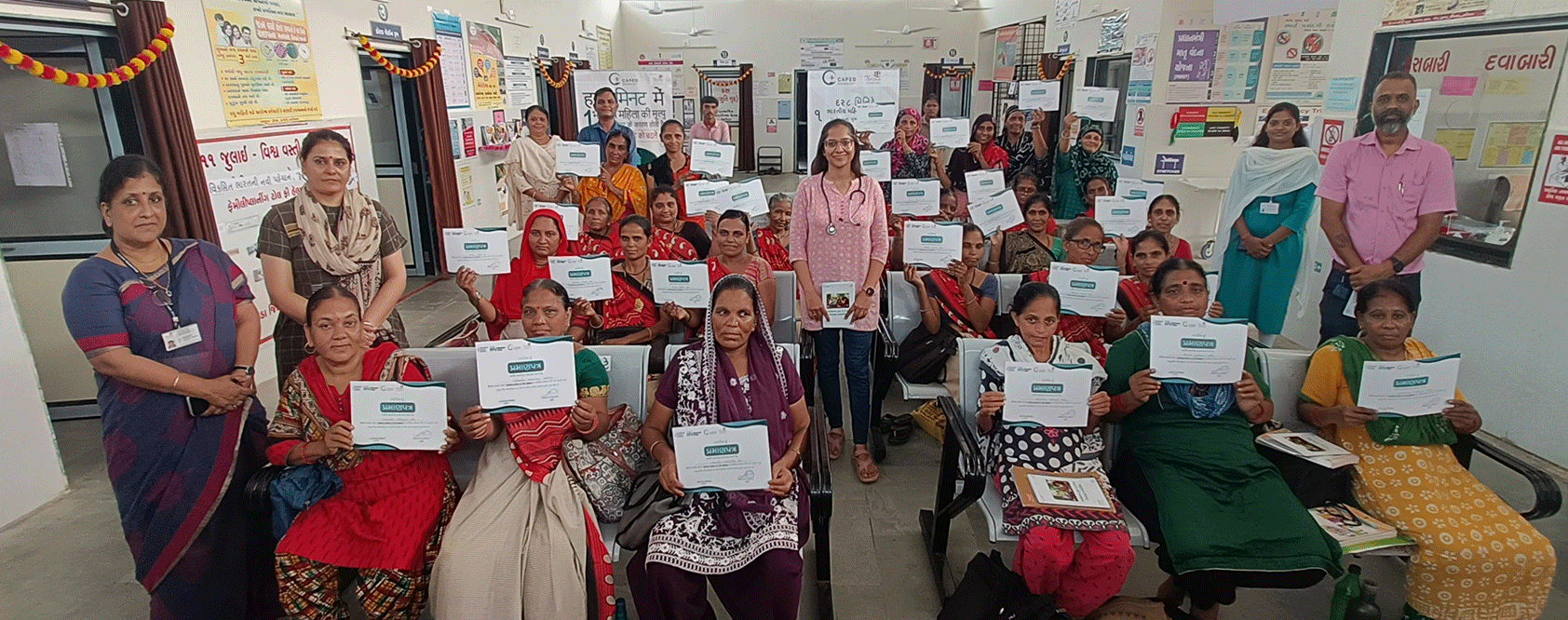
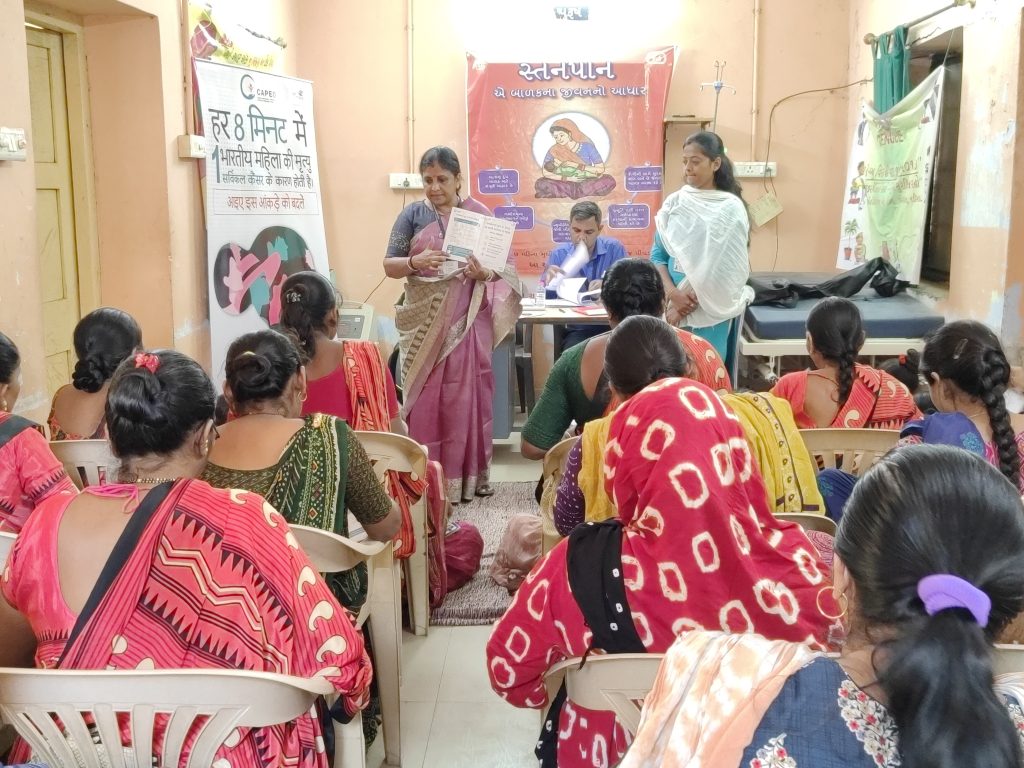
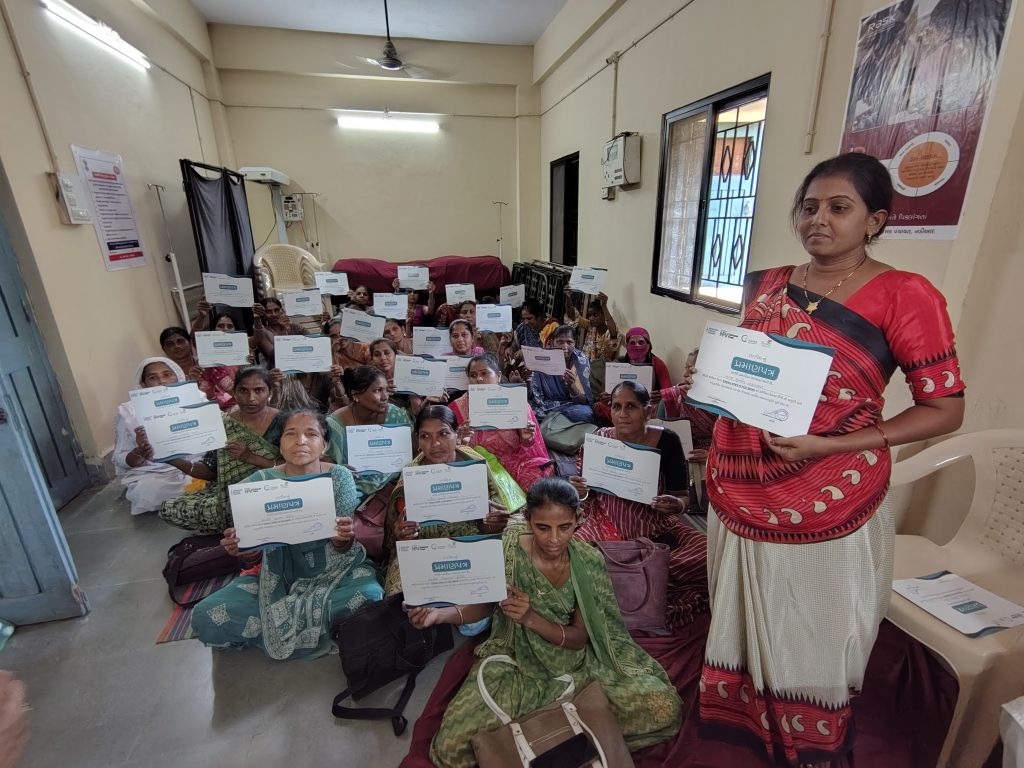
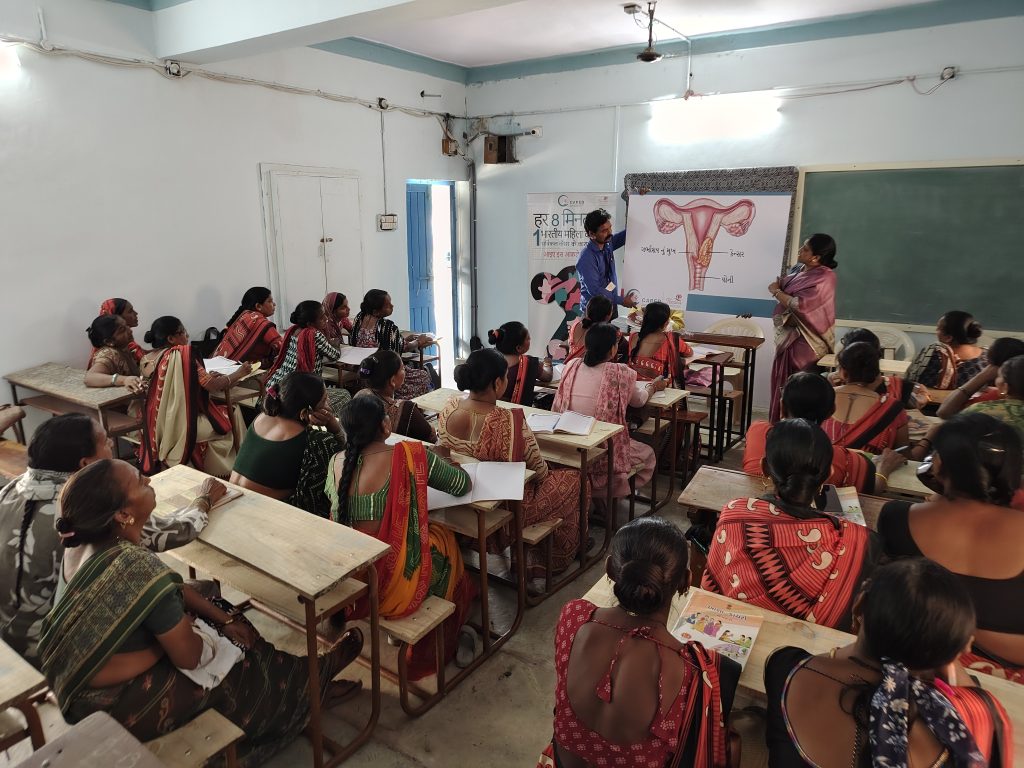
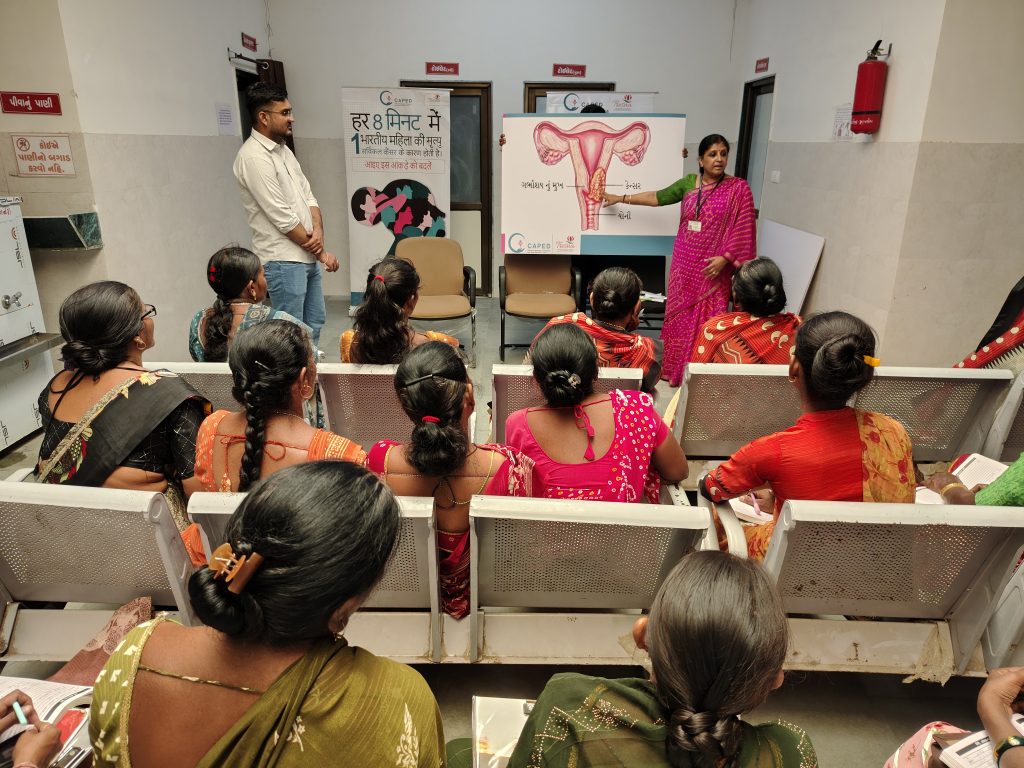
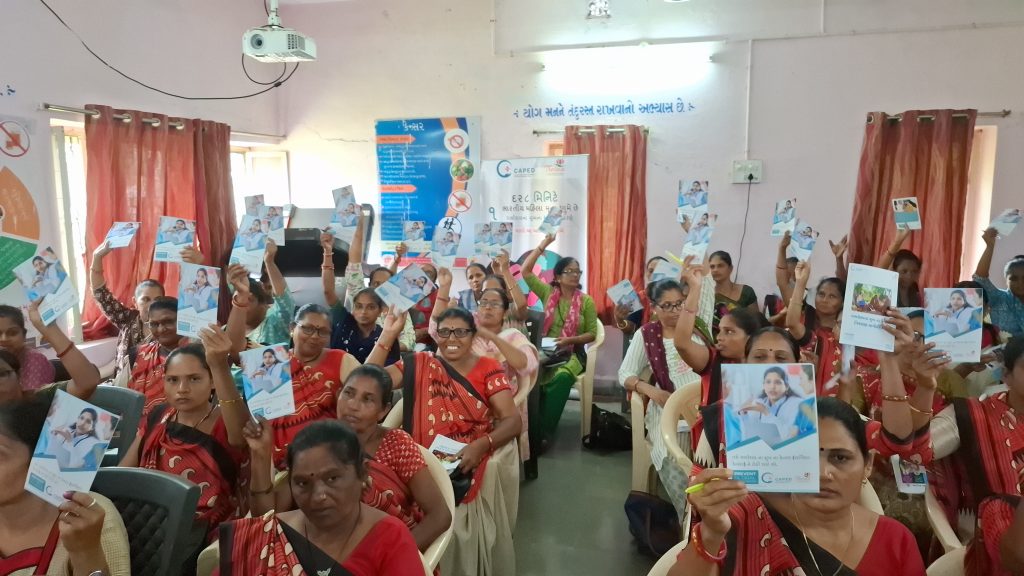
For too many women in India, a preventable disease like cervical cancer still casts a long shadow. Driven by a shared vision of healthier communities, Tresna Foundation and CAPED (Cancer Awareness, Prevention, and Early Detection) have embarked on a transformative project in Kheda, Gujarat. This vital collaboration is dedicated to breaking down barriers to early detection and building a future where cervical cancer’s impact is significantly reduced.
Mission : The Cervical Cancer Awareness Project is driven by the mission to significantly decrease the incidence of cervical cancer and its associated mortality in Kheda, Gujarat. This will be achieved through:
- Enhancing awareness among women about cervical cancer, its causes, prevention strategies, and the importance of early screening.
- Strengthening the capacity of the existing healthcare infrastructure, including Primary Health Centers (PHCs) and healthcare workers, to deliver quality cervical cancer prevention services.
- Ensuring that women who screen positive receive timely and appropriate follow-up care, including referrals, diagnosis, and treatment.
- Establishing a replicable and scalable model for cervical cancer prevention that can be integrated into routine healthcare practices.
Project Highlights :Through a focused and community-driven approach, the Cervical Cancer Prevention Project has made significant strides in Kheda district. Here’s a snapshot of our impact:
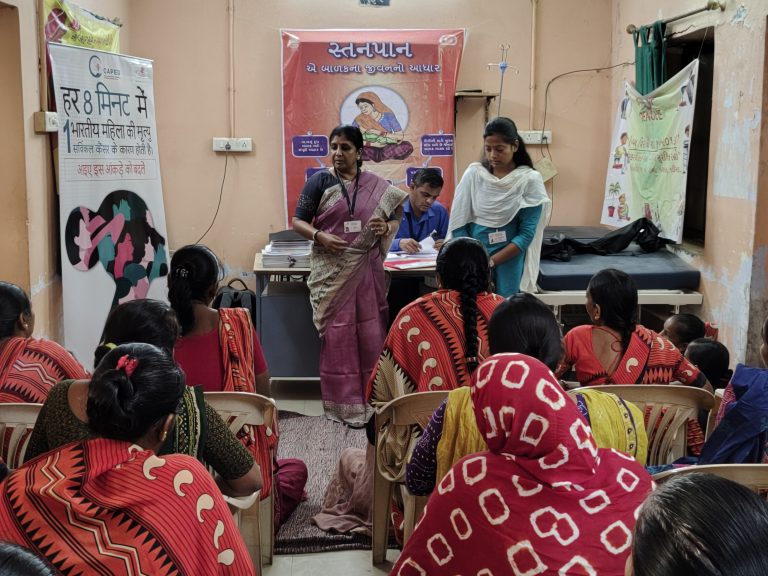
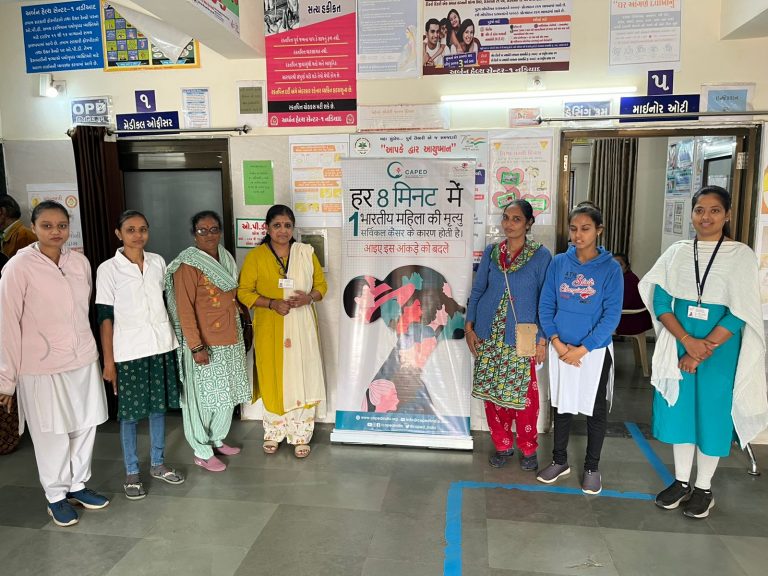
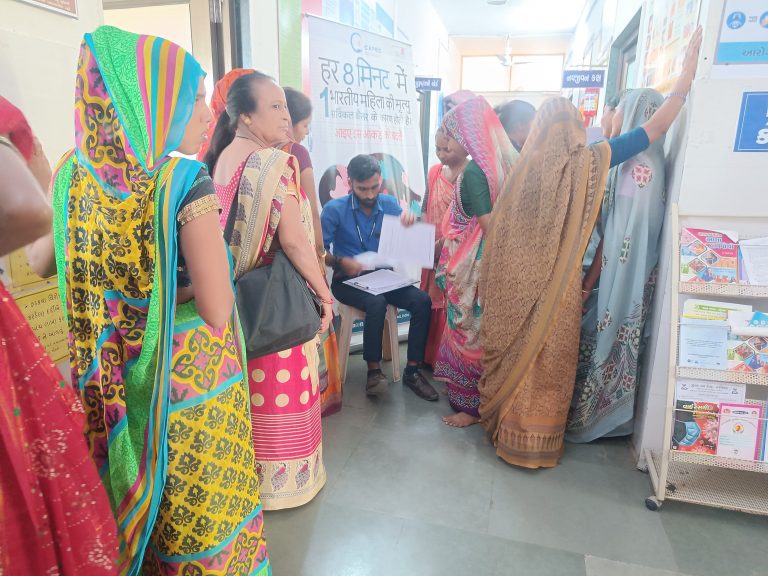
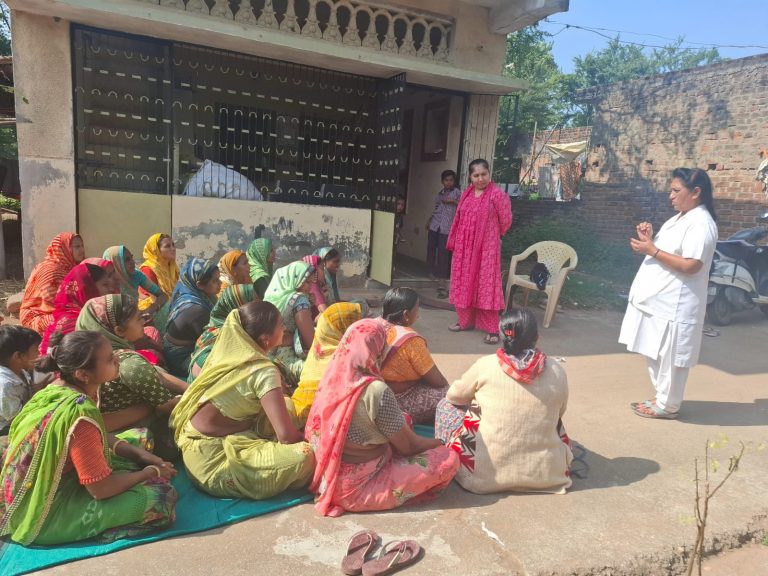
- Extensive Reach: Empowering 121,478 incredible women across the district with vital information about early cervical cancer screening and HPV vaccination through dedicated awareness campaigns.
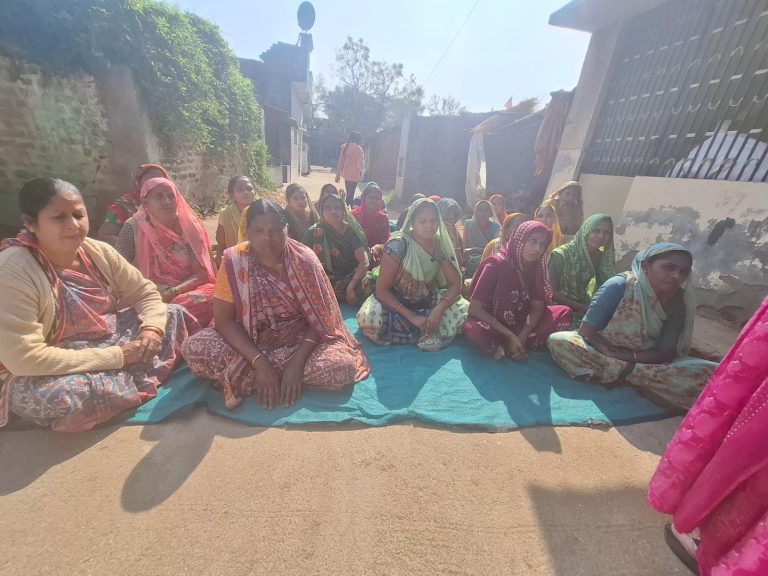
- Community Engagement: Successfully engaged 149 Villages through awareness sessions and screenings, ensuring that women in remote areas were not left behind.
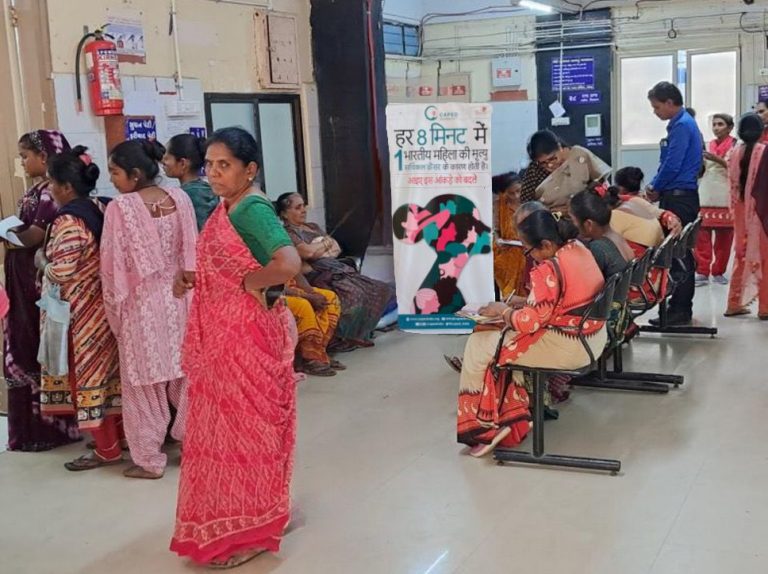
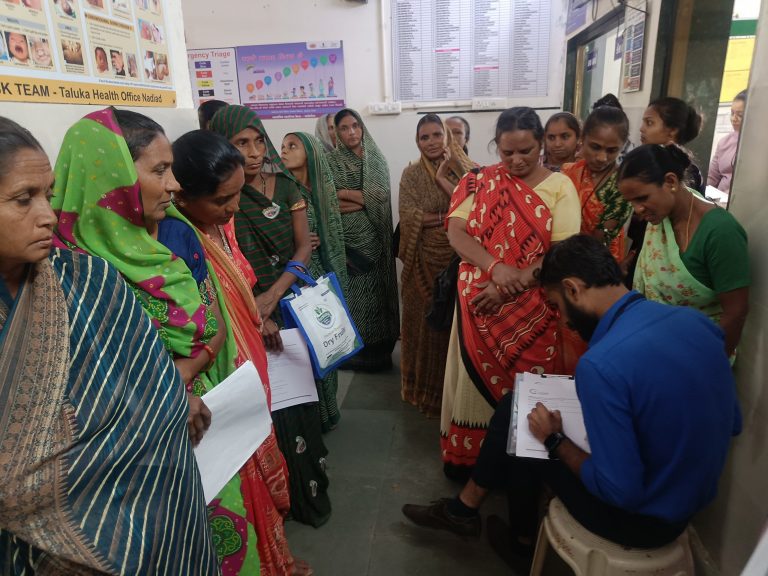
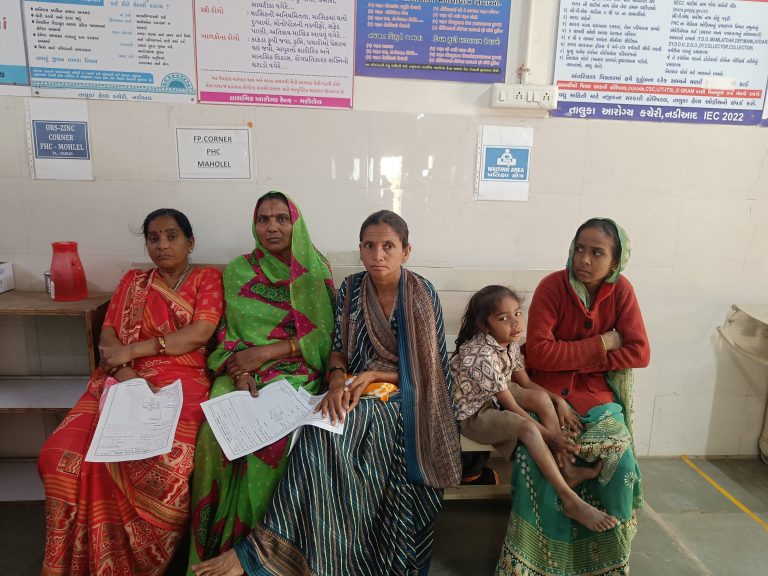
- Accessible Screening: Conducted 79 Screening Camps, offering women in their local areas easy access to life-saving services.
- Significant Screening Numbers: Successfully screened 2,009 women using VIA-based methods, helping identify those at risk and providing critical early detection & navigation.
Strengthening Healthcare Capacity:
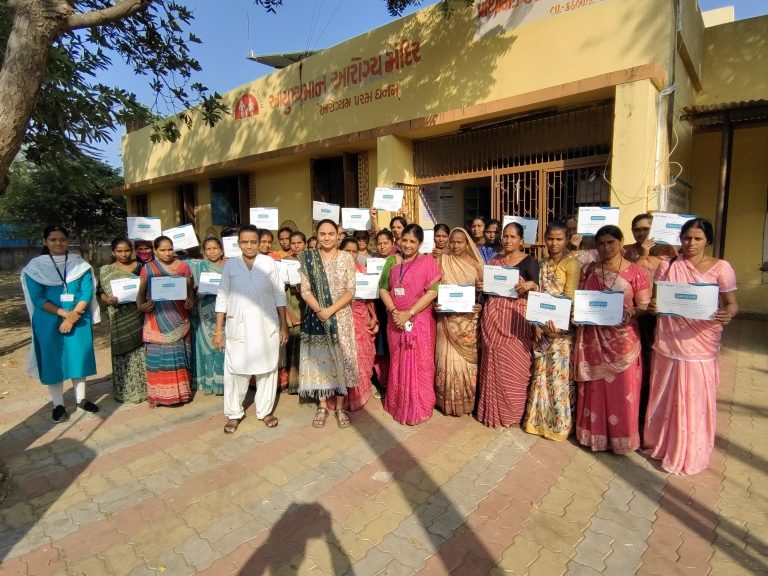
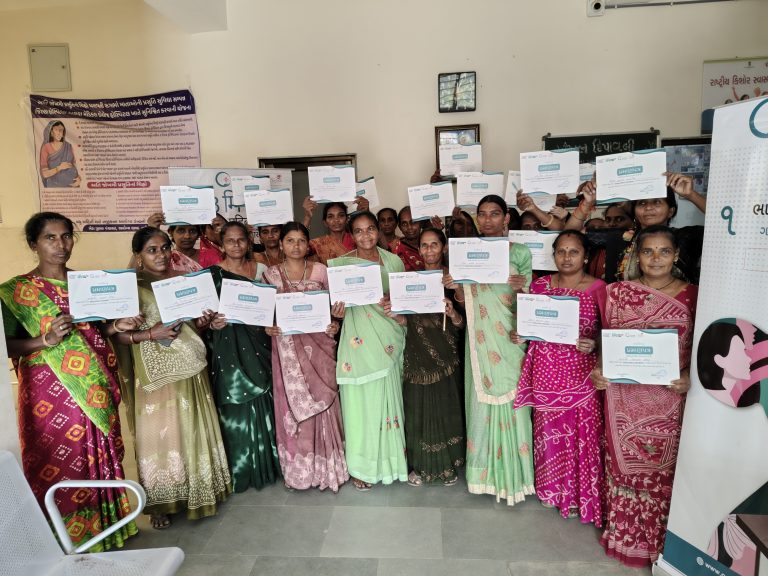
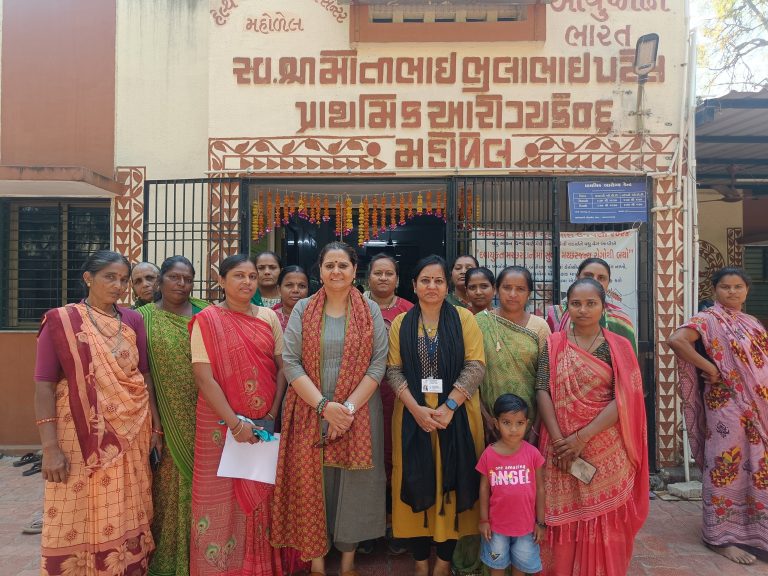
- Trained 630 ASHA workers across 4 Talukas to support cervical cancer prevention efforts and educate rural women about screening and vaccination.
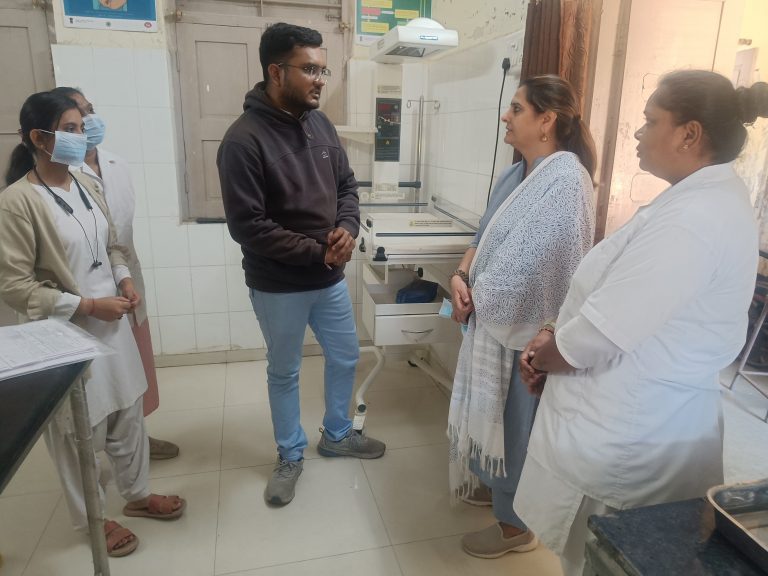
- Trained 122 Staff Nurses / CHOs in cervical cancer awareness and screening, ensuring the capacity to perform VIA method of screening and provide follow-up care.
- Covered 23 Primary Health Centers for capacity building for cervical cancer screening services in Kheda.
Building a Healthier Future:
This is just the beginning!
We extend our heartfelt gratitude to the District Health Department, Kheda, Gujarat, for supporting us through this impactful journey.
Building on the success achieved, Tresna Foundation and CAPED are committed to expanding our reach and deepening our impact. Our future focus includes:
- Expanding screening services to more blocks in Kheda district and beyond.
- Strengthening the skills of ASHAs, CHOs, and PHC staff through ongoing training.
- Ensuring seamless referrals and timely treatment for women who screen positive.
- Conducting even more awareness campaigns to encourage screening and reduce stigma.
- Working towards long-term sustainability and policy support for cervical cancer prevention.
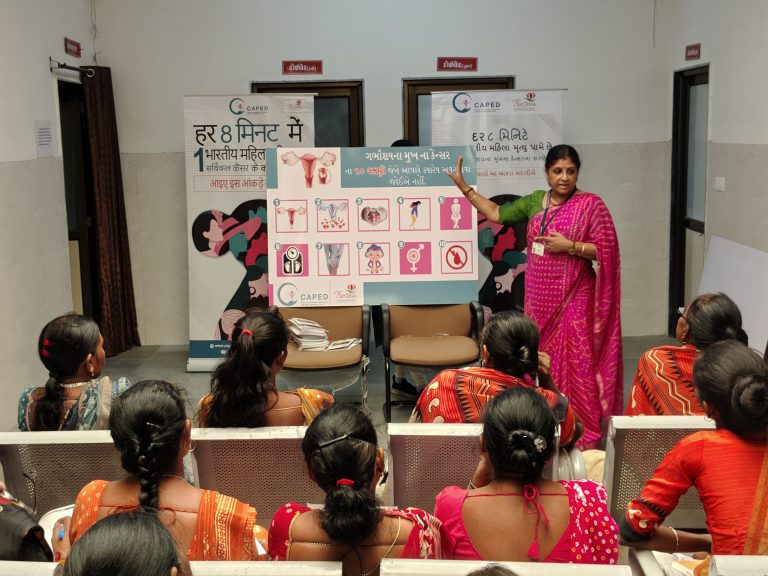
- Preventable Cancer: Cervical cancer is largely preventable with timely screening and awareness. Your donation directly contributes to preventing this disease.
- Empowering Women: The drive focuses on women’s health, empowering them with knowledge and access to life-saving screenings.
- Reaching the Underserved: CAPED works to improve access to screening in communities where healthcare access may be limited.
- Early Detection Saves Lives: Your support enables early detection, significantly increasing the chances of successful treatment and survival.
- Building Sustainable Solutions: CAPED’s approach includes training local healthcare workers, creating a long-term impact.
- Tangible Impact: The Kheda project (as seen in the report) demonstrates CAPED’s effectiveness in reaching thousands of women and conducting screenings.
- Collaborative Effort: CAPED partners with organizations like Tresna Foundation and local health departments to maximize reach and impact.
- Focus on Awareness: Raising awareness is crucial to encourage screening and break down stigmas associated with the disease.
- Investing in a Healthier Future: Your contribution invests in the overall health and well-being of communities.
- Accountability and Dedication: CAPED is a not-for-profit organization dedicated to making a real difference in the fight against women’s cancers.
- Cervical cancer is the fourth most common cancer in women globally. This highlights the significant global burden of the disease.
- Human papillomavirus (HPV) infection is the primary cause of cervical cancer. This emphasizes the importance of HPV prevention strategies.
- Cervical cancer is largely preventable with regular screening. This underscores the effectiveness of awareness drives that promote screening.
- Early detection through screening significantly improves treatment outcomes. This reinforces the life-saving potential of screening programs.
- VIA (Visual Inspection with Acetic Acid) is a cost-effective and accessible screening method. This is relevant to the rural project and demonstrates the practicality of awareness drives.
- Awareness campaigns can increase screening rates and reduce stigma. This highlights the importance of addressing social and cultural barriers to screening.
- Training healthcare workers enhances the capacity to provide quality screening services. This emphasizes the need to invest in healthcare infrastructure and personnel.
- Community engagement is crucial for the success of cervical cancer prevention programs. This underscores the importance of reaching out to women in their communities.
- Cervical cancer disproportionately affects women in low- and middle-income countries due to limited access to screening and treatment. This highlights the global health inequity and the need for targeted interventions.
- HPV vaccination is a primary prevention strategy that can significantly reduce the risk of cervical cancer. This emphasizes the importance of integrating vaccination awareness into drives.