The menstrual cycle is a natural biological process that half of the world’s population experiences. Despite being a natural phenomenon, menstruation is considered taboo in several cultures, leading to a lack of awareness and hygienic practices. This problem is especially pronounced in rural areas, where girls and women do not have access to menstrual products, sanitation facilities, or education.
Tresna Foundation has launched Project Swabhiman, a unique initiative aimed at promoting menstrual hygiene awareness in rural regions. The project’s goal is to educate girls and women about menstrual hygiene and provide them with necessary resources to maintain their health and hygiene.
Objective: The objective of Project Swabhiman is to ensure that girls and women in rural regions have access to proper menstrual hygiene education and sanitation facilities. The project aims to create a sustainable impact by fostering long-term hygienic practices in communities.
Mission: The mission of Project Swabhiman is to empower women by providing them with information on menstrual hygiene and to dispel myths and taboos surrounding menstruation. The project also aims to increase access to menstrual products, promote the use of sustainable products, and improve sanitation facilities in rural areas.
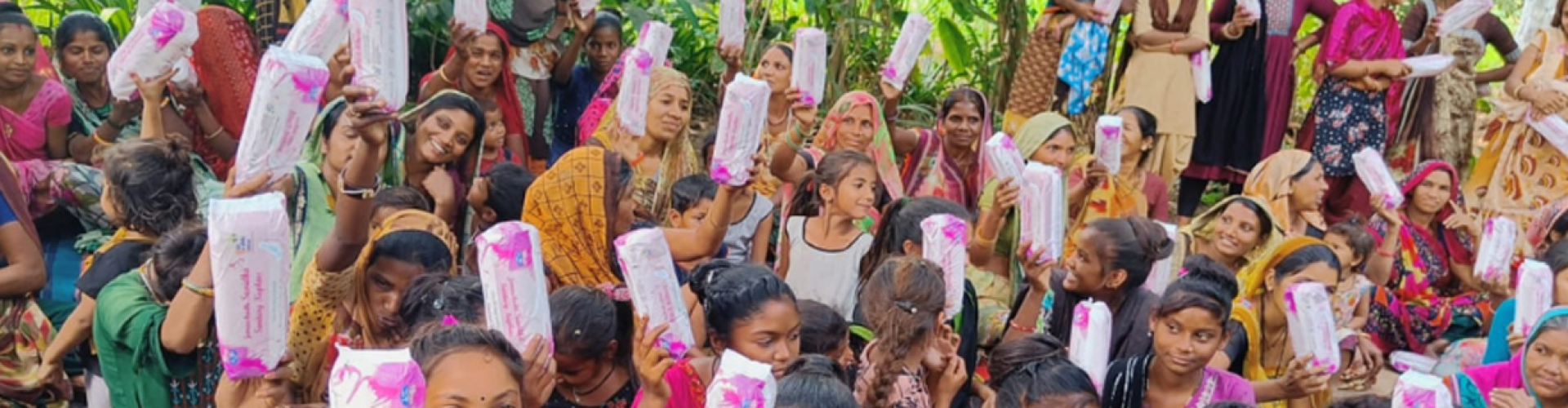
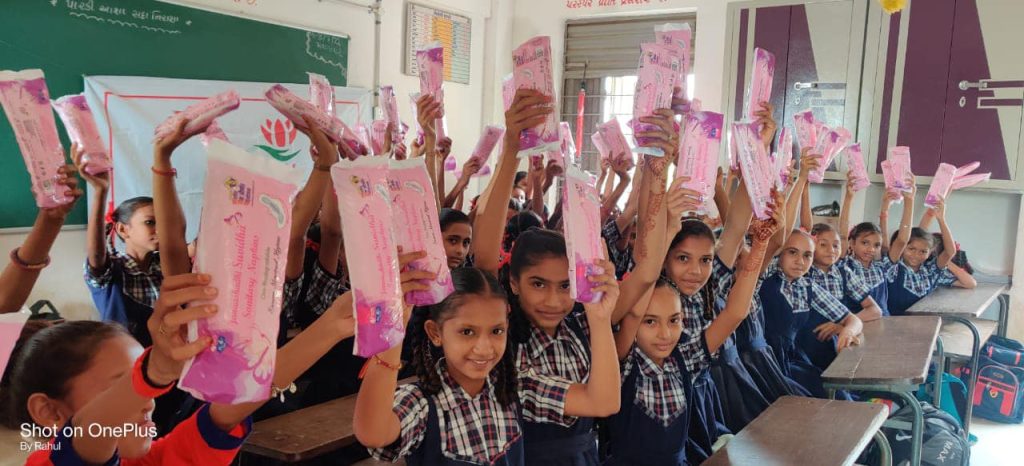
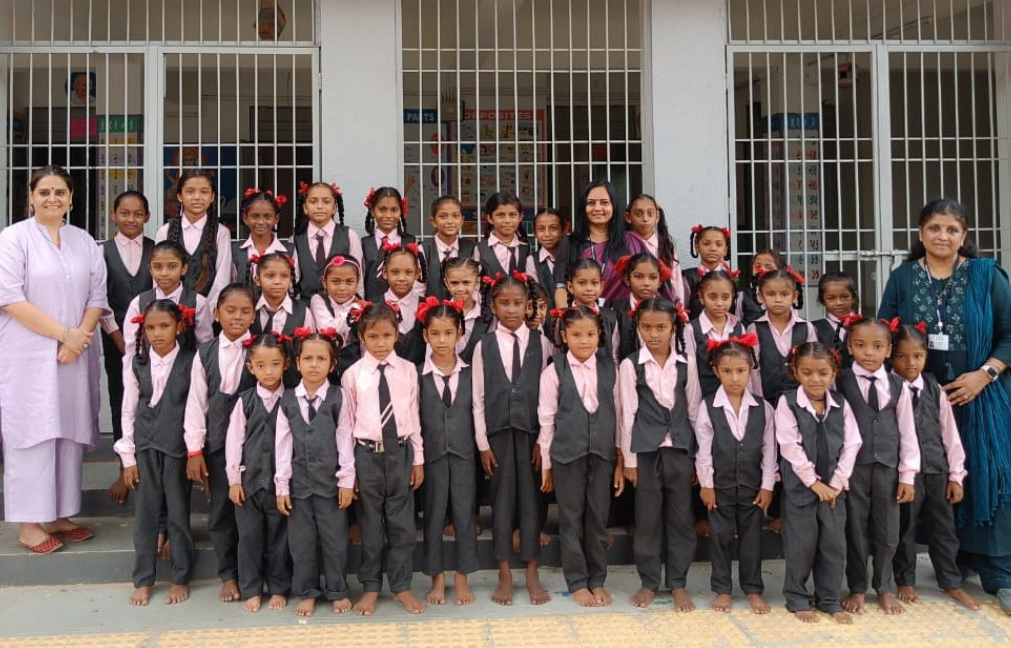
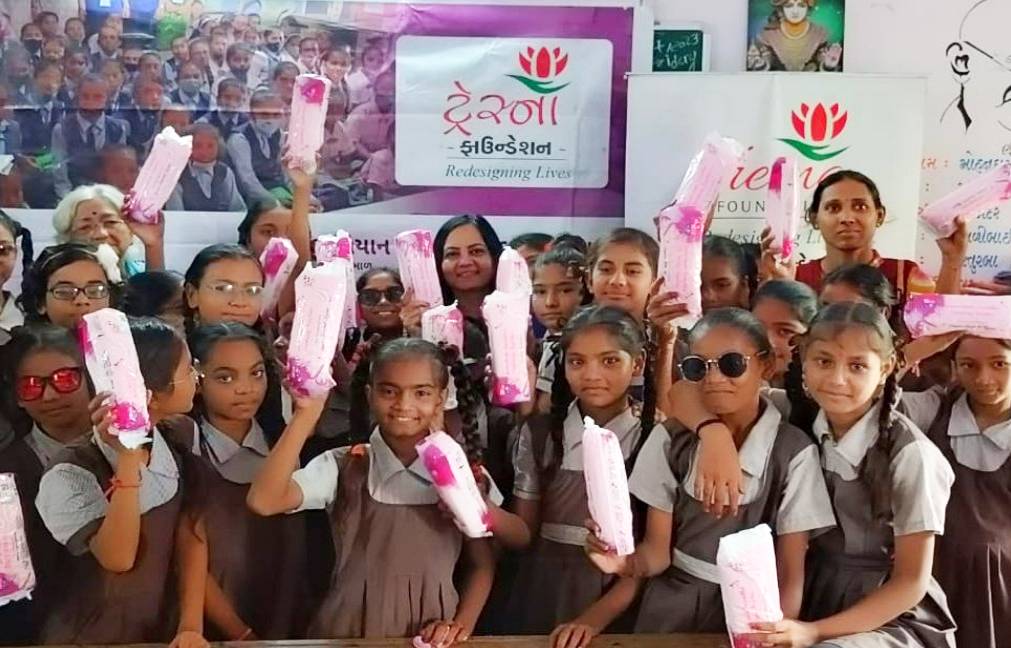
Action: Under Project Swabhiman, Tresna Foundation conducts menstrual hygiene awareness camps in various rural areas. The foundation collaborates with local organizations, schools, and NGOs to reach out to as many girls and women as possible. The awareness camps include educational sessions, open discussions, and practical demonstrations on menstrual hygiene practices. The foundation also distributes free sanitary pads and menstrual cups to girls and women in these areas.
Impact: Project Swabhiman has a significant impact on the lives of girls and women in rural areas. The project has already conducted multiple menstrual hygiene awareness camps, reaching out to thousands of girls and women in rural areas. As a result, girls and women have started adopting healthy menstrual practices, and the use of sanitary products has increased. The project has helped break the taboos surrounding menstruation and has empowered women to talk openly about menstrual health.